Investigate Design Elements to Foster Self-Emotion Tracking
OVERVIEW
Develop an In-Home Device for Individuals needing consistent depressive mood assessment
Emotion Frame encourages users to record self-videos and conduct self-assessments
We developed Emotion Frame, an in-home device that encourages users to reflect their emotions related to daily events. Users can record self-video and conduct self-assessments.
Our three-week field study with eight participants showed that Emotion Frame could be integrated into daily routines, enabling consistent emotion tracking. The project resulted in a patent, an exhibition, and papers published in the HCI journal, informing design implications for future in-home self-journaling devices.
ROLE
HCI Research Assistant
Operation: Recruiting & scheduling.
Literature review
Co-moderation
UX/UI design
Data analysis
DURATION
Jan – Dec 2021 (12 months)
TEAM
4 HCI Researchers & 1 Director
CLIENT
Hanyang Digital Healthcare Center

AFFILIATION

PROBLEM
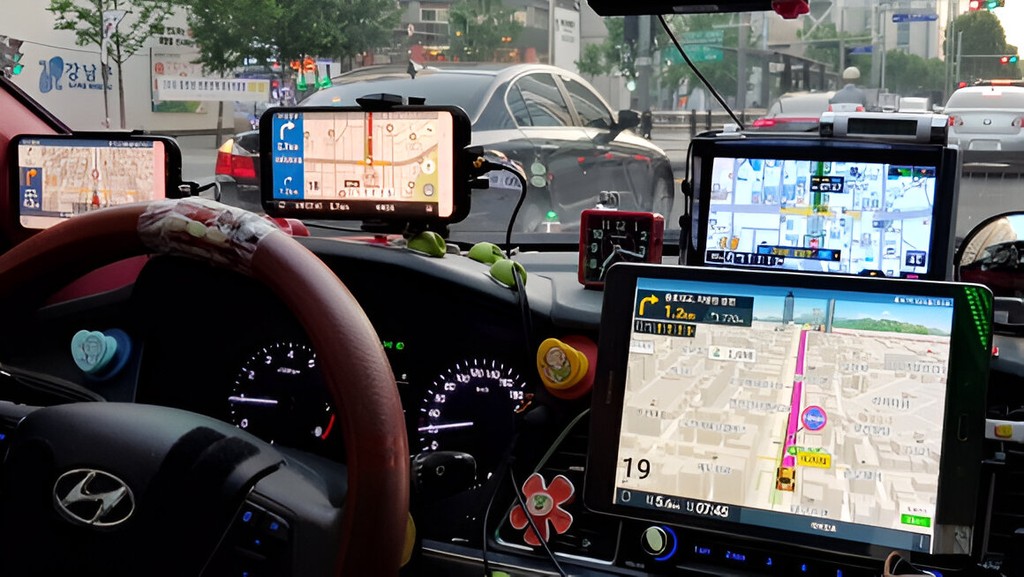
The IVI system was designed without real-world user data.
The client struggled to persuade stakeholders due to unclear design rationale.
Before moving to mass production, the client needed to enhance the competitiveness of their IVI and Cluster systems. However, the redesign was guided by intuition, and the absence of user-driven data made it challenging to convince internal stakeholders to allocate the technical and financial resources.
APPROACH
> Identify customer archetypes and their digital device usage in vehicles.
> Understand why they don't use IVI device.
> Test re-designed prototypes' usability
> Deliver actionable insights and prioritize improvement requirements
IMPACT
Refining Assumptions & Aligning Stakeholders
We identified key faulty product assumptions:
The research report empowered the client to persuade stakeholders and prioritize feature development.